
Slope 3D

Geometry Dash Maze Maps V2 is a heart-pounding p...

Move the 3D ball from the start to the endpoint ...

Take on a tougher wave challenge with sharper tu...

Race your country's marble against others in a t...

Test your driving skills in this addictive physi...

Guide a ball through challenging platform obstac...

Roll as fast as you can! Avoid different obstacl...

Geometry Arrow is a fast-paced platformer game i...

Control a tiny rocket through space, match color...

Reach the exit door while hidden traps and sudde...
A 3D physics and balance game where you drag a b...

Take part in an exciting obstacle course adventu...

Hit notes on beat, win rap battles, and complete...

Hop and splash on an endless road through the de...

Geometry Dash SubZero is a high-speed rhythm-bas...

Roll at top speed on steep neon slopes, dodge de...

Geometry Vibes Monster is a fast-paced arcade ga...

Geometry Vibes 3D is a vibrant 3D rhythm-based a...

Keep the ball on the path for as long as you can...

Drive a soccer ball through an exciting infinite...
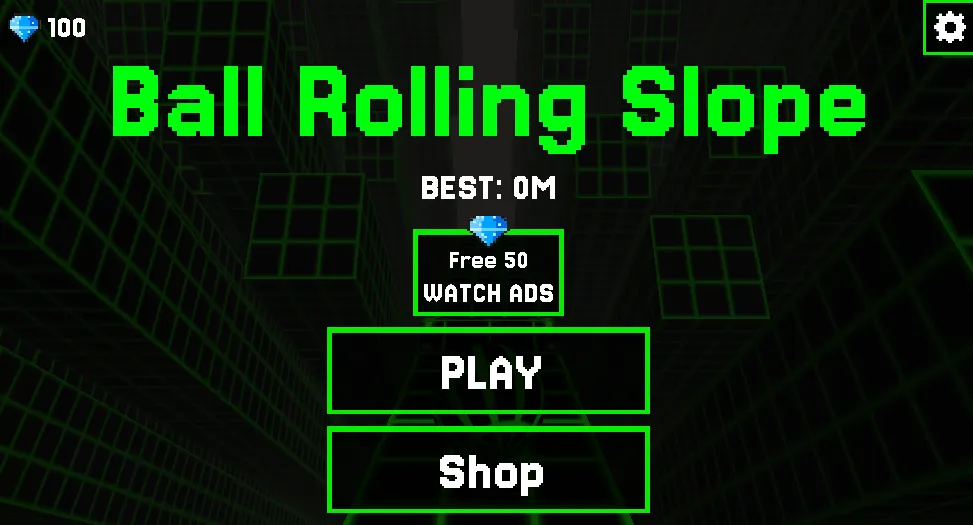
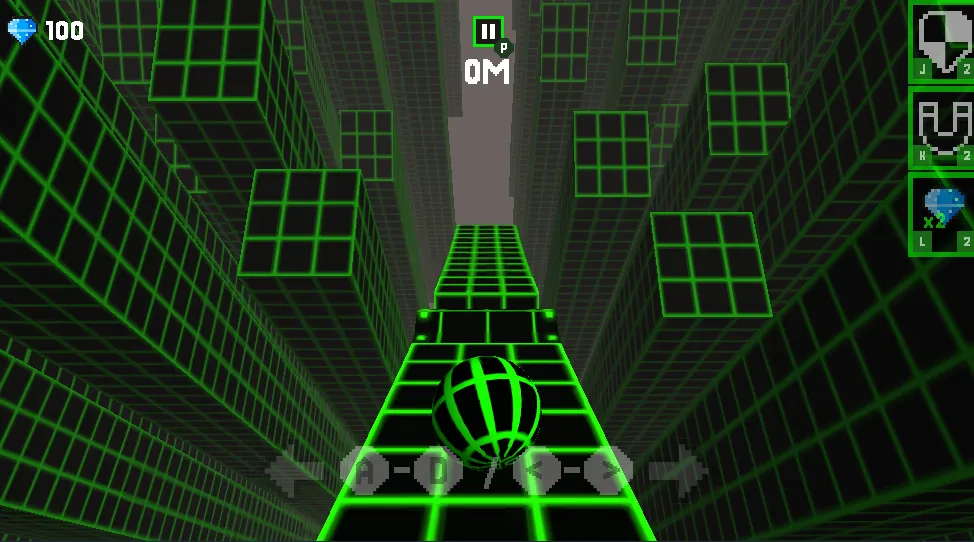
Welcome to the mesmerizing neon world of Slope 3D, where the most epic slopes await your thrill-seeking adventure! As you step into this virtual realm, surrounded by the dazzling lights of towering skyscrapers, you will be awestruck by the challenges that lie ahead. The entire space is bathed in a dominant black hue, punctuated only by vibrant yellow lights emanating from the geometric shapes around you.
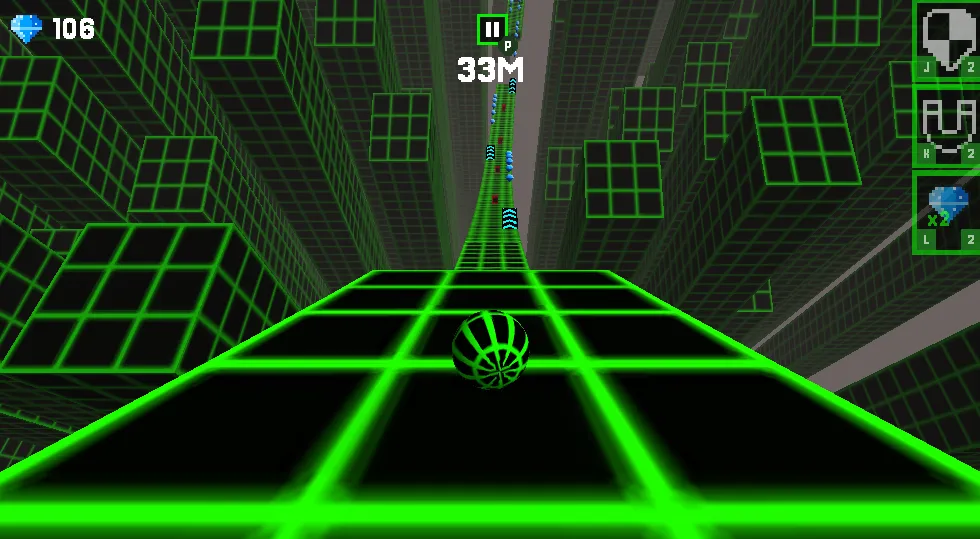
Players take control of a creatively designed neon ball that rolls incessantly across the rooftops of a sprawling cityscape. The scenery, though seemingly simplistic, is visually striking, enhancing the heart-pounding experience of navigating at breakneck speeds. With its immersive neon aesthetics and pulse-pounding gameplay, Slope 3D challenges players to master precision and reflexes.
This addictive skill game throws you down a never-ending incline where dynamic tracks change with each playthrough. Each red obstacle warns of imminent danger, heightening your senses for the perilous journey ahead. Can you overcome the labyrinthine slopes and dodge the treacherous obstacles that lie in wait? Join the countless gamers who have dared to conquer this electrifying arcade adventure!
In Slope 3D, you will maneuver a neon ball on increasingly challenging slopes atop city rooftops. Your goal is to maintain balance and avoid the lurking obstacles that continuously increase in frequency and diversity. Navigating the ball is anything but simple - you need quick reflexes to avoid collisions and keep the ball from plummeting into deep chasms.
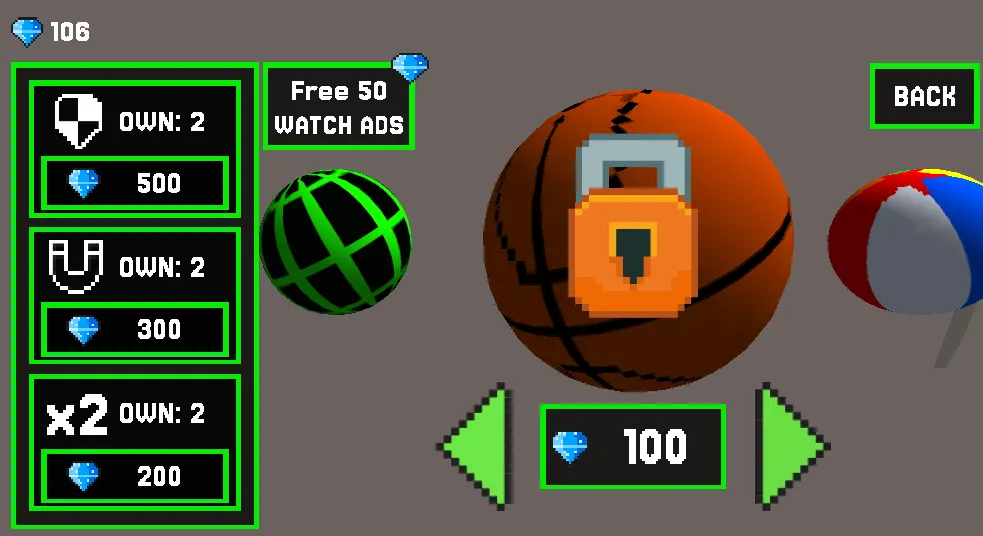
The ball's speed increases over time, turning each move into a new challenge with a fast-paced and dramatic rhythm. The terrain evolves continuously, making every experience progressively more challenging. Collecting blue gems along the way allows players to unlock new balls in the shop. With each playthrough, you'll feel the thrill and fascination as you engage in a breath-taking race between light and darkness, amidst the vibrant neon lights of this virtual city.
During recent playtest sessions on Slope 3D, we focused on repeatability, not one lucky clear. The first goal was to establish a stable opening route that reduces random input spikes. In early attempts, the main failure pattern was over-correcting after near misses. Once we switched to smaller corrections and pre-read obstacle timing one pattern earlier, clear consistency improved significantly. This is especially important in endless runner games where speed rises faster than player confidence.
Our route planning is divided into three windows: setup phase, pressure phase, and conversion phase. In setup, we prioritize safe positioning over score greed. In pressure, we accept that one controlled loss is better than panic movement that ruins the whole run. In conversion, we preserve rhythm and avoid unnecessary risk. This framework works well for Slope 3D because the game rewards composure and pattern memory more than raw reaction bursts.
We also tested mobile and desktop controls separately. Desktop usually delivers cleaner micro-adjustments, while mobile can still perform well if you shorten session length and avoid fatigue drift. The most common mobile mistake is late correction after visual overload; the fix is to anchor your eye line slightly ahead of your avatar and trust your rhythm rather than reacting to the current obstacle too late. For players switching devices, keep route logic identical and only adapt input sensitivity.
For difficult sections, we recommend segment-first practice: run the same risk cluster repeatedly until your success rate is above 70 percent before trying full clears. Players who practice entire runs too early often plateau because they collect too little high-quality repetition on the true choke points. In Slope 3D, the key choke points are usually transition edges where pacing changes suddenly. If you fail there repeatedly, reduce speed expectations and rebuild timing windows from a calmer baseline.
Failure analysis showed five recurring causes: greedy line selection, delayed release timing, panic correction after collision scares, poor camera focus discipline, and session fatigue. Every cause has a direct mitigation: choose safer lanes when score is unstable, commit to release timing cues, reset posture after near misses, keep a fixed visual scan lane, and cap intense sessions at manageable intervals. These are simple habits, but they produce measurable consistency gains.
Finally, the most practical way to improve in Slope 3D is to track process metrics instead of only final score. Log your best clean segment, your most frequent death pattern, and your average recovery quality after mistakes. Over one week of focused practice, these metrics usually improve before leaderboard score does. When they do, score follows naturally. This is the same method we use for all core game pages on GeometryArrow.info and it is the reason our route suggestions prioritize reliability over flashy but unstable plays.
Practical execution checklist for Slope 3D: before each attempt, define one specific objective such as cleaner transition timing, fewer panic corrections, or safer lane discipline. During the run, evaluate only the chosen objective and avoid mentally scoring every small mistake, because overloaded self-feedback creates delayed reactions. After each attempt, write a one-line review with the exact failure trigger and immediate fix. This micro-loop improves learning speed more than repeating long unfocused runs. For consistency training, use a three-cycle block: two conservative attempts focused on accuracy, then one optimization attempt focused on efficiency. If optimization breaks consistency, return to conservative rhythm and rebuild. Players who follow this pattern for a week usually improve both completion rate and score stability. In our test sessions, this method reduced repeat deaths in transition zones and improved control quality under fatigue. Also apply a stop rule: after three frustration runs, take a short reset break to prevent reinforcing bad timing habits. The objective is sustainable improvement, not maximum retries in a single session.


Endless procedurally generated levels with increasing difficulty
Nine types of obstacles: RNG Blocks, Slants, Straights, Treblocks, Tunnels, Snakes, Hors, Verts, and Speedtunnels
Speed progressively increases as you advance further down the slope
Global leaderboard system to compete with players worldwide
Unlockable balls available through collecting blue gems during gameplay
Q: How do I improve quickly in this game?
A: Practice the hardest segment separately, then reconnect segments into full runs once your segment clear rate is stable.
Q: Why do I keep failing after good starts?
A: Most players fail from over-correction after near misses. Use smaller recovery inputs and keep a fixed visual scan lane.
Q: Is mobile harder than desktop?
A: Usually yes for precision inputs, but mobile performance becomes stable when sessions are shorter and rhythm-based inputs are used.
Q: Should I chase score lines every run?
A: Only after consistency is established. Reliability first, optimization second.